[ FUND report Q3 2026 ]

UP Mid-Stage Global Health Fund

Series A funding for global health, building the pipeline of cost-effective programmes ready to scale.
[ Letter from the Fund Co-Director ]

Welcome to the latest Ultra Philanthropy Mid-Stage Global Health Fund report.

Jack Lewars

Fund Manager

The Mid-stage Global Health Fund’s portfolio continues to do incredible work. Clear Solutions estimates that it has averted 740 child deaths to date, up from 63 at the end of Q2. By layering their distribution of oral rehydration solution and zinc onto mature charities delivering other commodities, including GiveWell Top Charities Malaria Consortium and Helen Keller International, they have increased their modelled impact by an order of magnitude, at relatively low marginal cost.

Elsewhere, Family Empowerment Media is launching the first RCT of its work, a study we are co-funding after GiveWell paid for the radio transmitters, and Healthy Futures looks set to be part of the inaugural cohort of a major new fund tackling maternal syphilis. Lafiya continues to validate our Fund thesis, growing with support from both GiveWell and the Gates Foundation, and its model suggests it has averted 644 maternal deaths in 2026. (I sit on Lafiya’s board, a seat I took as part of the Fund’s investment.)

In general, across the portfolio, our charities are on track to hit their scaling milestones, and we increasingly find ourselves co-funding alongside GiveWell, the Gates Foundation and other payers-at-scale, as our grantees reach the boundary between our scale-up funding and larger injections of cash.

On the Fund operations side, we have significantly strengthened our team and processes this summer, with a refreshed ambition to reshape the mid-stage of global health. 

We secured a major gift in July, which roughly doubled the Fund’s regranting capital and made a significant contribution to our operating costs. This let us hire Liz Jarman, who joined as Co-Director of the Fund in October 2026.

As CEO of Living Goods (2018-2024), Liz scaled support for community health workers to reach 7 million people across Kenya, Uganda and Burkina Faso, secured over $100m in funding (including an Audacious Project grant), pioneered government co-financing models and led Africa’s largest digital community health initiative.

She is perfectly placed to build the non-financial assistance part of our model, assisting grantees to scale, and ultimately creating a scaling academy for the Fund. This will comprise her direct work with founders and senior teams; replicable playbooks; peer learning across the portfolio; and a funded bench of specialist consultants and fractional staff. It will give our grantees help beyond our financial support, which I think will be increasingly important in the coming years.

A stronger team will also let us share more of what we learn. We want to test different strategies and pathways to scale; to work with a variety of approaches, from direct delivery, to technical assistance, to tech platforms, to for-profit social enterprises; and then to publish what works and what doesn’t.

The Fund has also significantly increased its research capacity, in order to source and vet more high-quality opportunities.

We have engaged six research contractors to help us assess 24 potential grants by the end of November. This team includes people who have previously worked at IDInsight, Evidence Action, the Happier Lives Institute and Innovations for Poverty Action, and marks a substantial improvement in the expertise and volume of the Fund’s research.

We have already secured two research staff to join as employees from January and we are advertising for a Head of Research currently, aiming to make a second senior hire alongside Liz. Sourcing and vetting in-house will be critical next year, so we expect to have a team of three in-house researchers in 2027.

The Fund’s financials remain strong, with $3.5m received in Q3. We’re assessing the pipeline now and aim to deploy the $3.1m by the end of November. However, we also need more regranting capital. 

First, we cannot make large, multi-year grants to growing organisations without more cash-in-hand. If we are to take a project from, say, $1m to $8m in three years, we would need up to $10m for every grantee that we expect to go the distance.

Second, a wave of new money is coming from AI philanthropy (I write about it at The Funding Anthropalypse), and we want the Fund to have the scale and track record to deploy it well.

Third, more capital would let us stay with our best-performing grantees as they grow and still add new ones. We’ve funded eight organisations so far, and there are many more strong projects outside that group. 

The Fund’s 2027 opportunity set is around $26m, adjusted for expected fundraising from elsewhere. The generous donation we received in July has allowed us to remove the management fee on the Fund until the end of 2027. If you would like to discuss supporting our portfolio, please get in touch.

I am hugely grateful to the donors, grantees, advisors and partners who have got us this far. I am also very excited about what comes next. We now have a strong team, much more in-house capacity, deep research expertise and a refreshed vision and ambition for the mid-stage of global health.

The final word, as ever, goes to the social entrepreneurs in our portfolio. They screen and protect children from tuberculosis; deliver medical oxygen to hospitals; detect and treat severe acute malnutrition in children; give women control of their own bodies; prevent babies being born with syphilis; stop diarrhea becoming fatal; and train tens of thousands of health workers in evidence-based interventions.

I am incredibly proud of their work and I look forward to supporting them on their journey to scale in the coming quarter and beyond.

Jack Lewars

Fund CO-DIRECTOR

[ WHO WE FUND ]

Meet the grantees
Scroll to see more

  • Lafiya

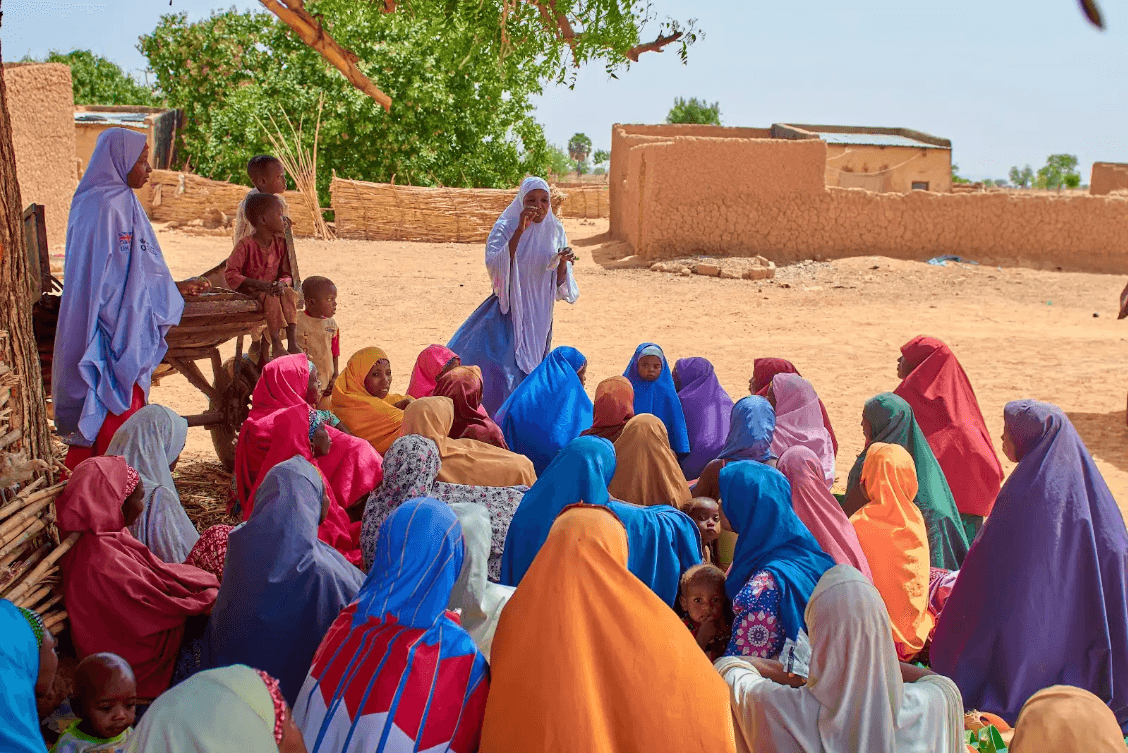
    Upskills female health workers to provide family planning counseling and injectable contraceptives in remote areas.

  • Clear Solutions

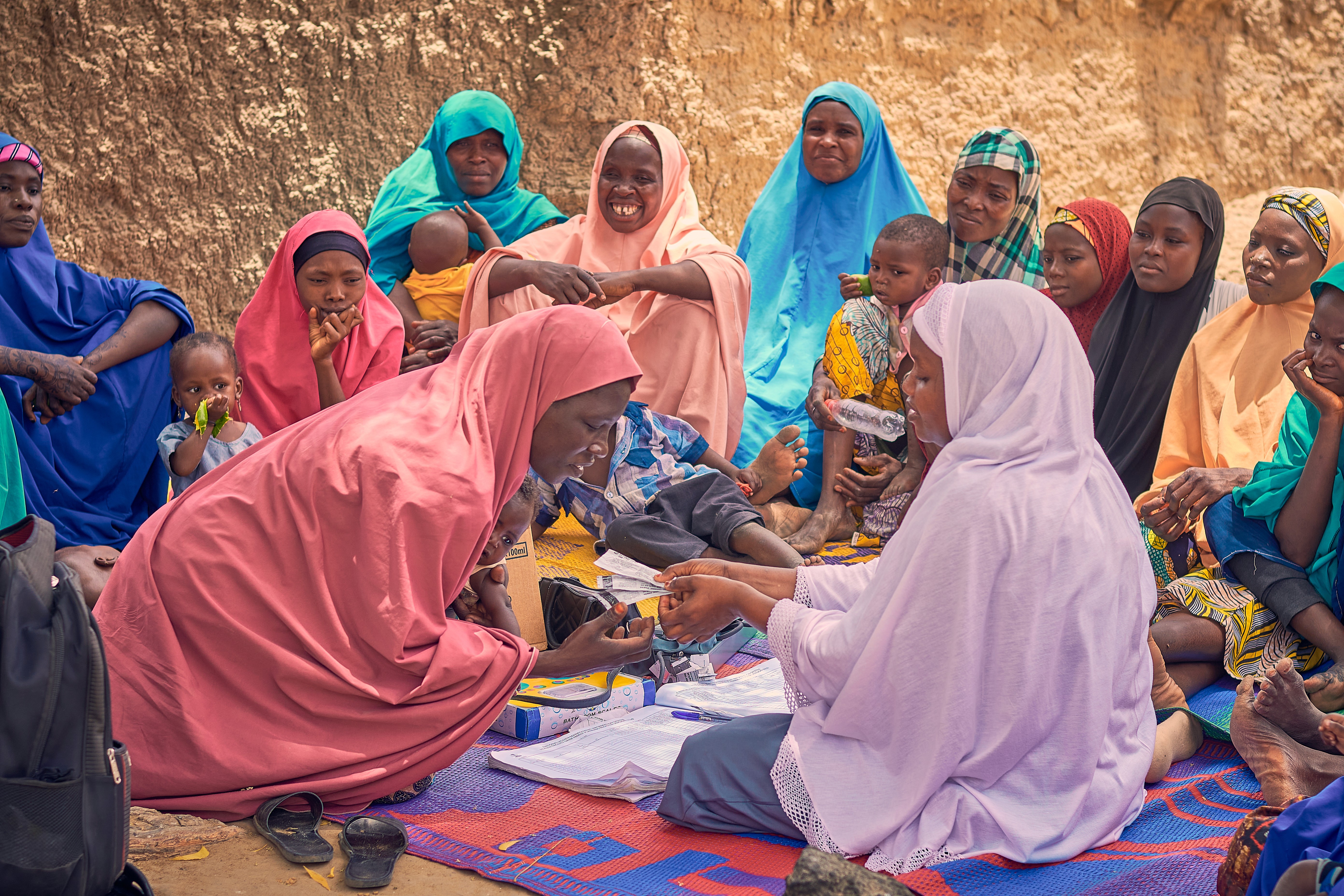
    Conducts or advises on door-to-door distributions of oral rehydration solution and zinc, to treat dehydration.

  • Taimaka

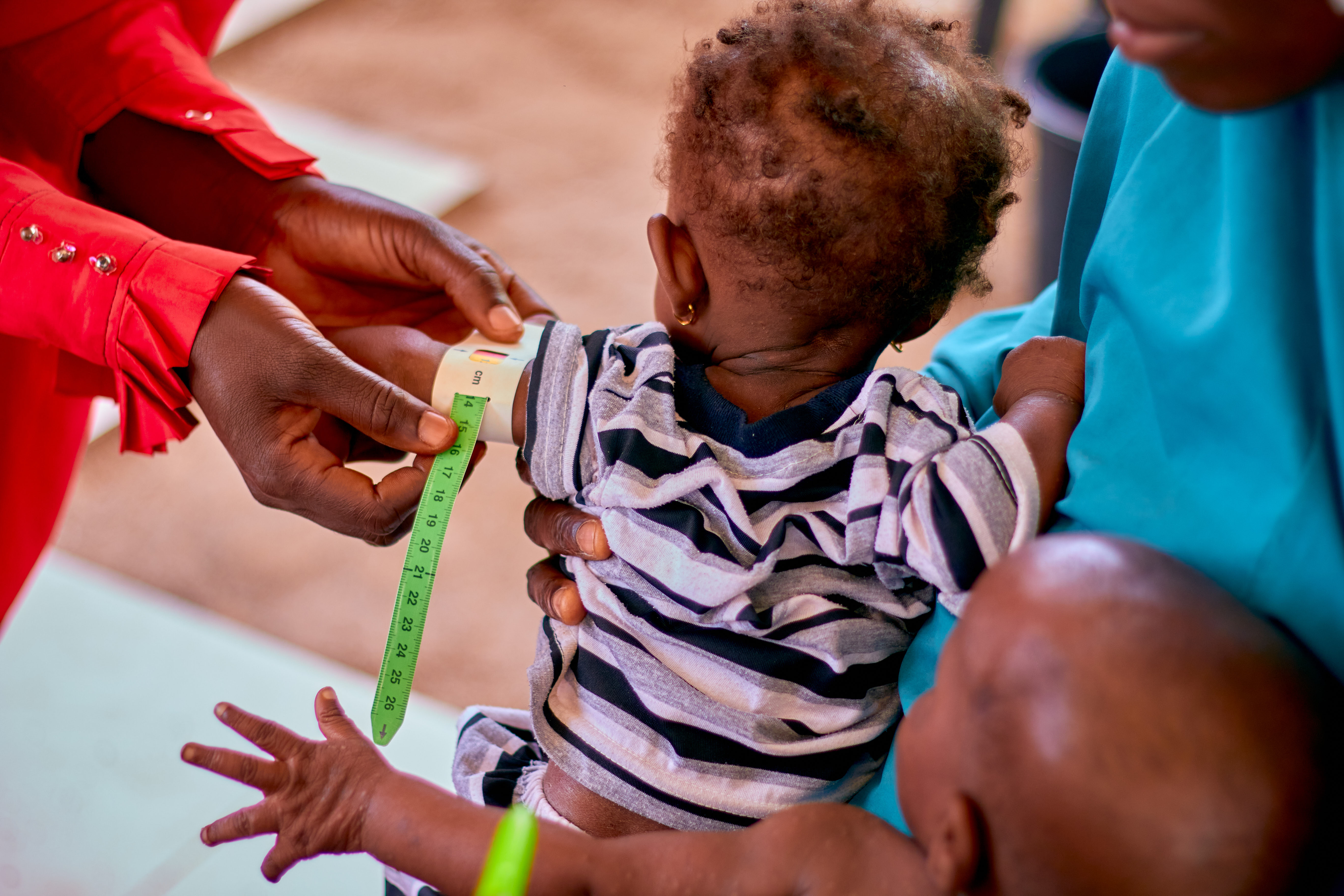
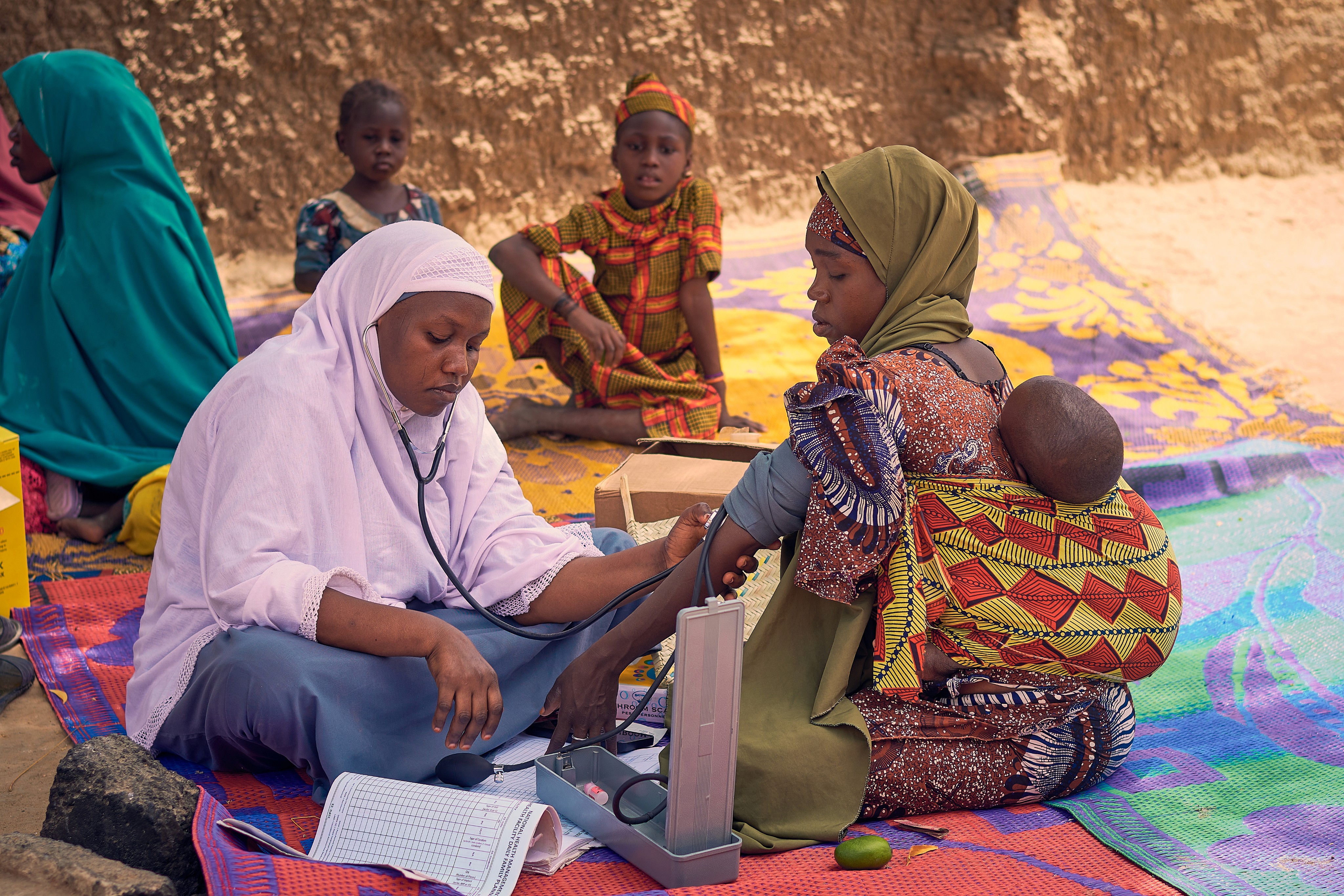
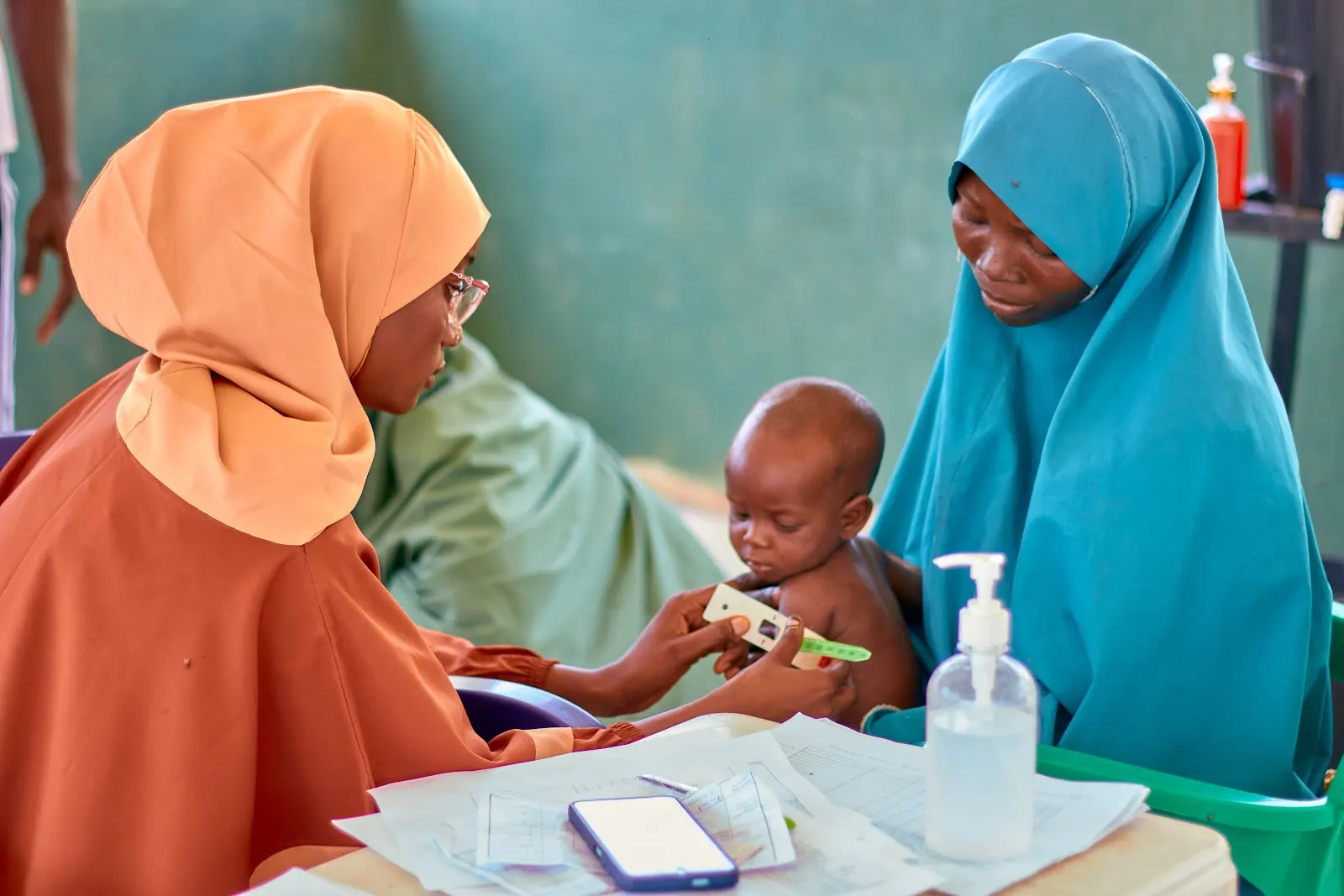
    Trains and pays community health workers to do door-to-door malnutrition testing and treatment.

  • HealthLearn

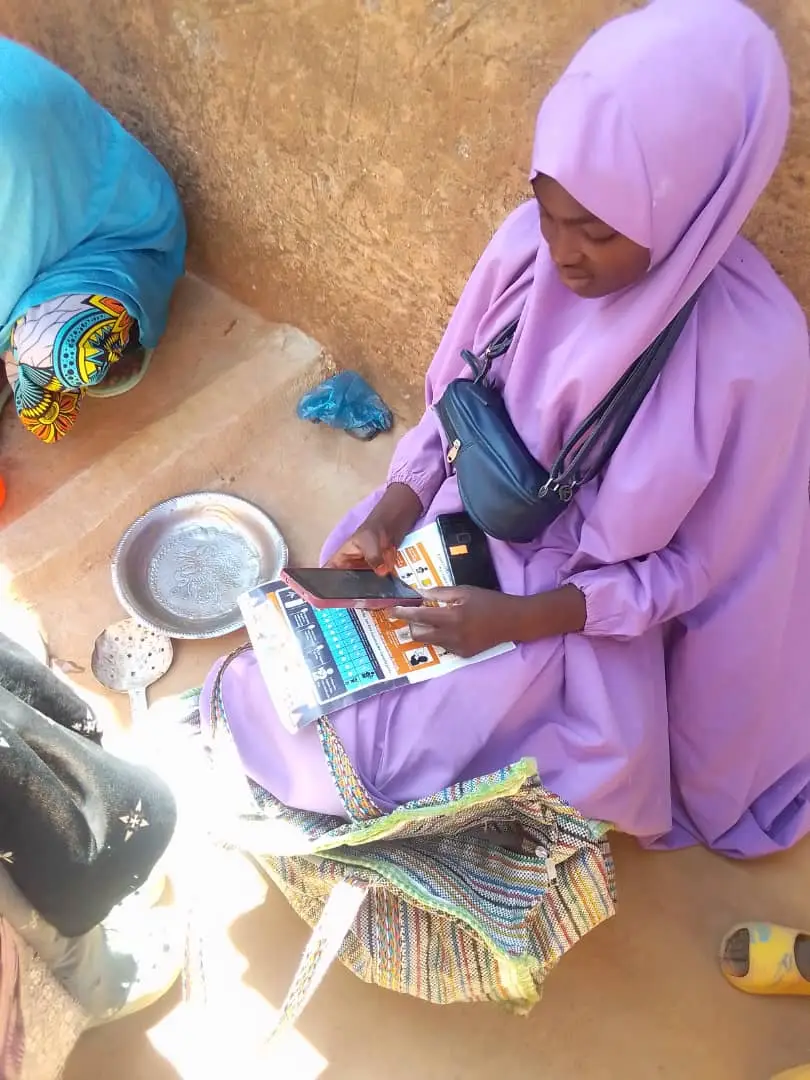
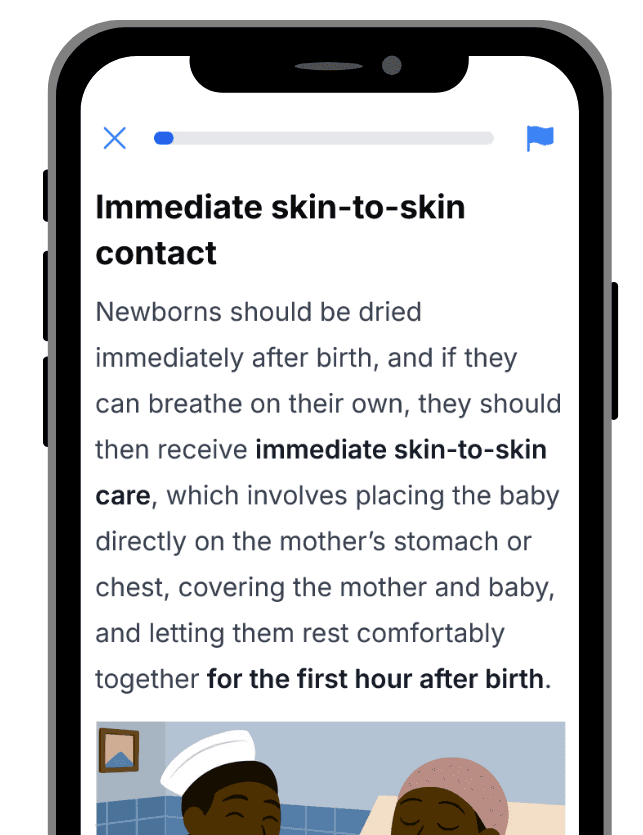
    Offers mobile-friendly training for health workers, to help them implement effective, cheap interventions.

  • Healthy Futures

    Integrates syphilis testing and treatment into standard HIV screening for pregnant mothers.

  • Spiro

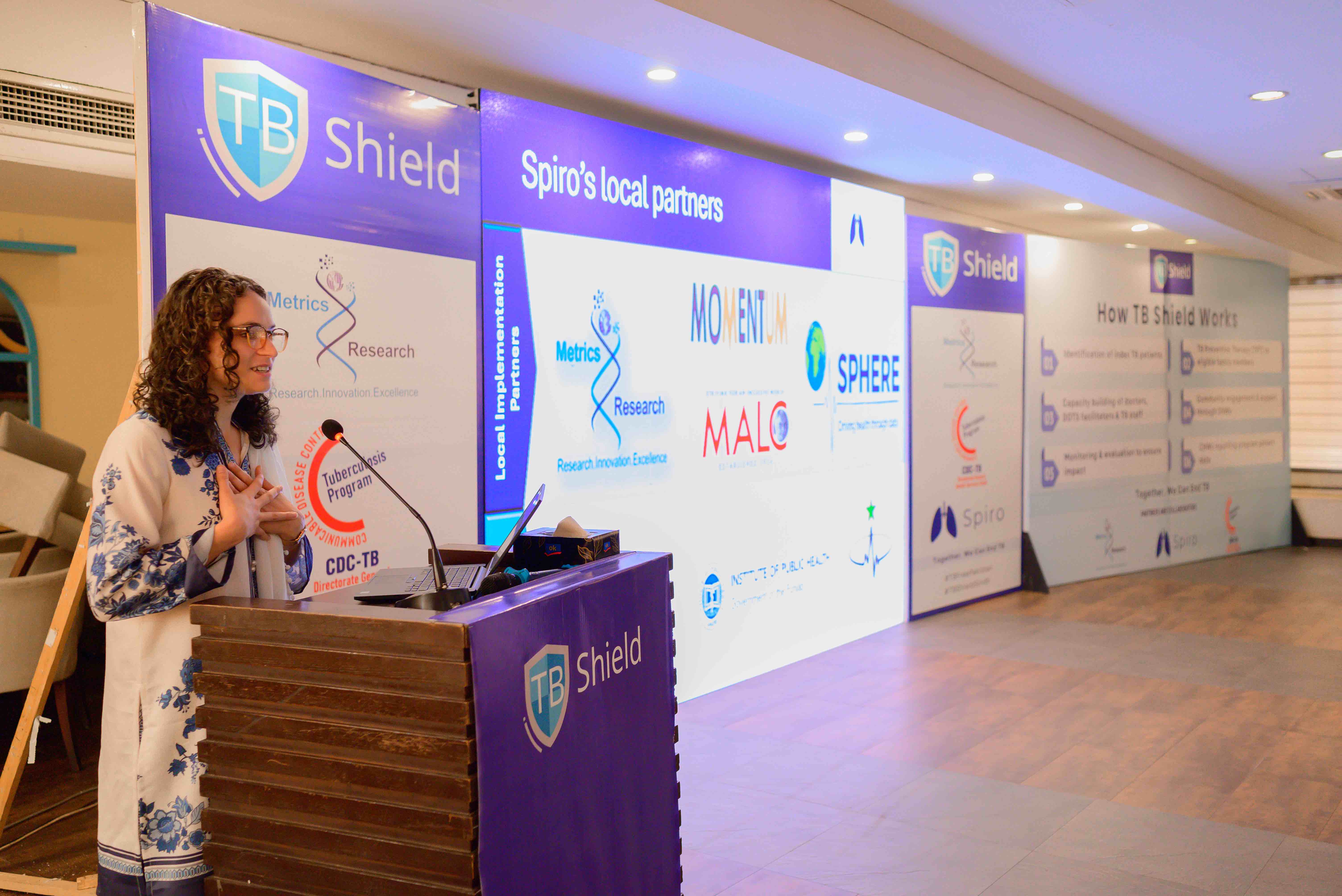
    Conducts household screening and treatment for tuberculosis in Pakistan.

  • HealthPort

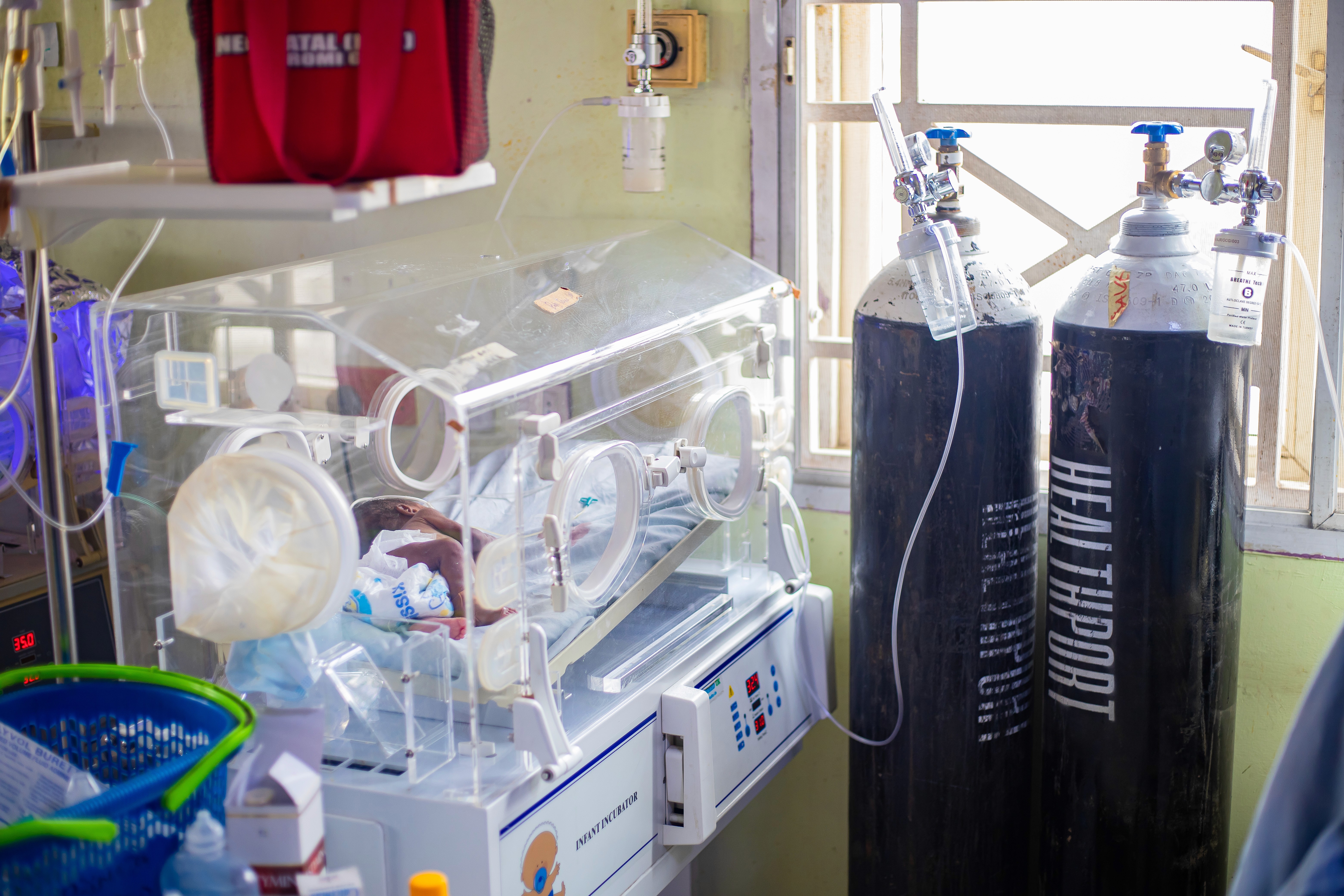
    Builds solar-powered plants in Nigeria, to produce medical oxygen and supply it to hospitals for use in critical care.

  • Family Empowerment Media

    Mass media campaigns to improve take-up of modern contraception.

Lafiya

Upskills female health workers to provide family planning counseling and injectable contraceptives in remote areas.

Clear Solutions

Conducts or advises on door-to-door distributions of oral rehydration solution and zinc, to treat dehydration.

Taimaka

Trains and pays community health workers to do door-to-door malnutrition testing and treatment.

HealthLearn

Offers mobile-friendly training for health workers, to help them implement effective, cheap interventions.

Healthy Futures

Integrates syphilis testing and treatment into standard HIV screening for pregnant mothers.

Spiro

Conducts household screening and treatment for tuberculosis in Pakistan.

HealthPort

Builds solar-powered plants in Nigeria, to produce medical oxygen and supply it to hospitals for use in critical care.

Family Empowerment Media

Mass media campaigns to improve take-up of modern contraception.

[ Grant outputs and outcomes ]

2025-26 grant outputs and outcomes
HealthLearn

outputs

48,809

health workers completed the newborn care course in Nigeria

41,327

health workers completed the newborn care course in Zambia

outcomes

Outcome measurement not yet due

Taimaka

outputs

18,177

children suffering from acute malnutrition treated in grant period.

outcomes

495 - 919

child deaths prevented during grant period (significant uncertainty modelling this figure)

Spiro

outputs

1,449

under 5 household contacts screened for TB

1,392

under 5 household contacts starting TB preventative therapy

31

active TB cases found (all ages and regions)

outcomes

Outcome measurement not yet due

Clear Solutions

outputs

868,960

children reached with ORSZ

outcomes

740

child deaths prevented

Lafiya

outputs

594

Lafiya Sisters trained during grant period

563,285

contraceptive doses distributed in Q3 2026

284,737

family planning counselling sessions delivered to women in Q3 2026

58%

were first-time contraceptive users in Q3 2026

outcomes

125,292

unintended pregnancies averted in 2026

644

maternal deaths prevented in 2026

Healthy Futures

outputs

1,900,000

Maternal syphilis test kits included in 2027 Philippines government budget

outcomes

11

deaths prevented from miscarriages, stillbirths, and neonatal deaths

HealthPort

outputs

31m

litres of oxygen delivered across hospital partner network, up from 4m in 2025

₦24M

in quarterly revenue, up 40% from Q1 2026

outcomes

Outcome measurement not yet due

HealthLearn

outputs

48,809

health workers completed the newborn care course in Nigeria

41,327

health workers completed the newborn care course in Zambia

outcomes

Outcome measurement not yet due

Taimaka

outputs

18,177

children suffering from acute malnutrition treated in grant period.

outcomes

495 - 919

child deaths prevented during grant period (significant uncertainty modelling this figure)

Healthy Futures

outputs

1,900,000

Maternal syphilis test kits included in 2027 Philippines government budget

outcomes

11

deaths prevented from miscarriages, stillbirths, and neonatal deaths

Spiro

outputs

1,449

under 5 household contacts screened for TB

1,392

under 5 household contacts starting TB preventative therapy

31

active TB cases found (all ages and regions)

outcomes

Outcome measurement not yet due

Lafiya

outputs

594

Lafiya Sisters trained during grant period

563,285

contraceptive doses distributed in Q3 2026

284,737

family planning counselling sessions delivered to women in Q3 2026

58%

were first-time contraceptive users in Q3 2026

outcomes

125,292

unintended pregnancies averted in 2026

644

maternal deaths prevented in 2026

HealthPort

outputs

31m

litres of oxygen delivered across hospital partner network, up from 4m in 2025

₦24M

in quarterly revenue, up 40% from Q1 2026

outcomes

Outcome measurement not yet due

Clear Solutions

outputs

868,960

children reached with ORSZ

outcomes

740

child deaths prevented

HealthLearn

outputs

48,809

health workers completed the newborn care course in Nigeria

41,327

health workers completed the newborn care course in Zambia

outcomes

Outcome measurement not yet due

Lafiya

outputs

594

Lafiya Sisters trained during grant period

563,285

contraceptive doses distributed in Q3 2026

284,737

family planning counselling sessions delivered to women in Q3 2026

58%

were first-time contraceptive users in Q3 2026

outcomes

125,292

unintended pregnancies averted in 2026

644

maternal deaths prevented in 2026

Taimaka

outputs

18,177

children suffering from acute malnutrition treated in grant period.

outcomes

495 - 919

child deaths prevented during grant period (significant uncertainty modelling this figure)

Healthy Futures

outputs

1,900,000

Maternal syphilis test kits included in 2027 Philippines government budget

outcomes

11

deaths prevented from miscarriages, stillbirths, and neonatal deaths

Spiro

outputs

1,449

under 5 household contacts screened for TB

1,392

under 5 household contacts starting TB preventative therapy

31

active TB cases found (all ages and regions)

outcomes

Outcome measurement not yet due

HealthPort

outputs

31m

litres of oxygen delivered across hospital partner network, up from 4m in 2025

₦24M

in quarterly revenue, up 40% from Q1 2026

outcomes

Outcome measurement not yet due

Clear Solutions

outputs

868,960

children reached with ORSZ

outcomes

740

child deaths prevented

[ WHERE THEY WORK ]

Grantee Map

Our grantees work in LMICs in Asia and Africa, where they can deliver maximum cost-effectiveness.

8 active grantees

14 countries
Map
LegendActive workExploring/Hiring/Advisory
Map
LegendActive workExploring/Hiring/Advisory
Map
LegendActive workExploring/Hiring/Advisory
Map
LegendActive workExploring/Hiring/Advisory

[ Grantee progress to scale ]

Grantee progress

Our grantees are at various stages on their journey to scale. Click a grantee to see their progress against their scaling objectives.

HEALTHLEARN
HEALTHPORT
TAIMAKA
LAFIYA
CLEAR SOLUTIONS
HEALTHY FUTURES
SPIRO
FAMILY EMPOWERMENT MEDIA
HealthLearn
Progress to Scale: 3/5
Objective 1: Offer the newborn care course in ≥3 countries.
Completed: Live in Nigeria, Zambia, and The Gambia; Ghana approved for CPD; Uganda and Liberia still in pipeline.
Objective 2: Over 75,000 people to complete the newborn care course.
Completed: 90,528 people have completed the course in Nigeria, Zambia and The Gambia.
Objective 3: Design and budget a rigorous study of the newborn care course (e.g. RCT), or determine that it is not feasible.
On track but delayed: First draft RCT design is complete. By end-2026, the pre/post study should be complete, allowing finalization of the study design. Completion of this goal is still likely to slip to 2027.
Ultra Philanthropy Mid-Stage Global Health Fund
Seed
HEALTHPORT
Early Mid-Stage
SPIRO
HEALTHLEARN
Healthy Futures
Mature Mid-Stage
TAIMAKA
LAFIYA
Family Empowerment Media
CLEAR SOLUTIONS
Scale
Cash Grants
Intensive Management Support
Expert Freelance Consultants
Valley of Death
Ultra Philanthropy Mid-Stage Global Health Fund
Seed
HEALTHPORT
Early Mid-Stage
SPIRO
HEALTHLEARN
Healthy Futures
Mature Mid-Stage
TAIMAKA
LAFIYA
Family Empowerment Media
CLEAR SOLUTIONS
Scale
Cash Grants
Intensive Management Support
Expert Freelance Consultants
Valley of Death

[ founders ]

Meet our founders

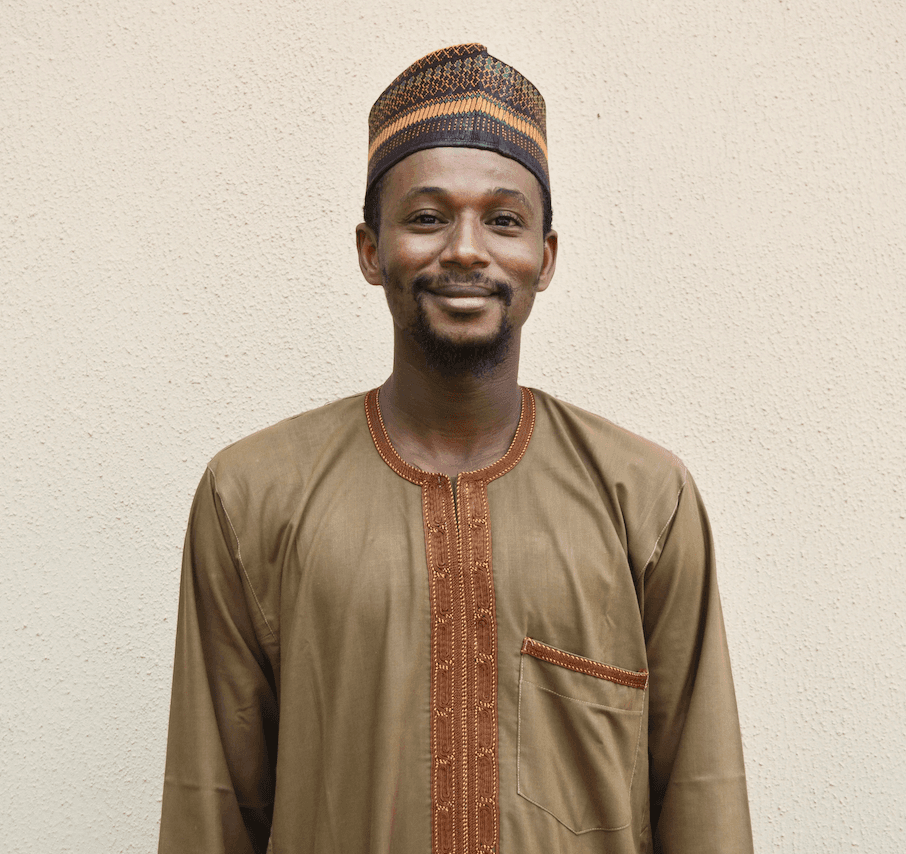
Dr Abubakar Umar

Co-founder, Taimaka
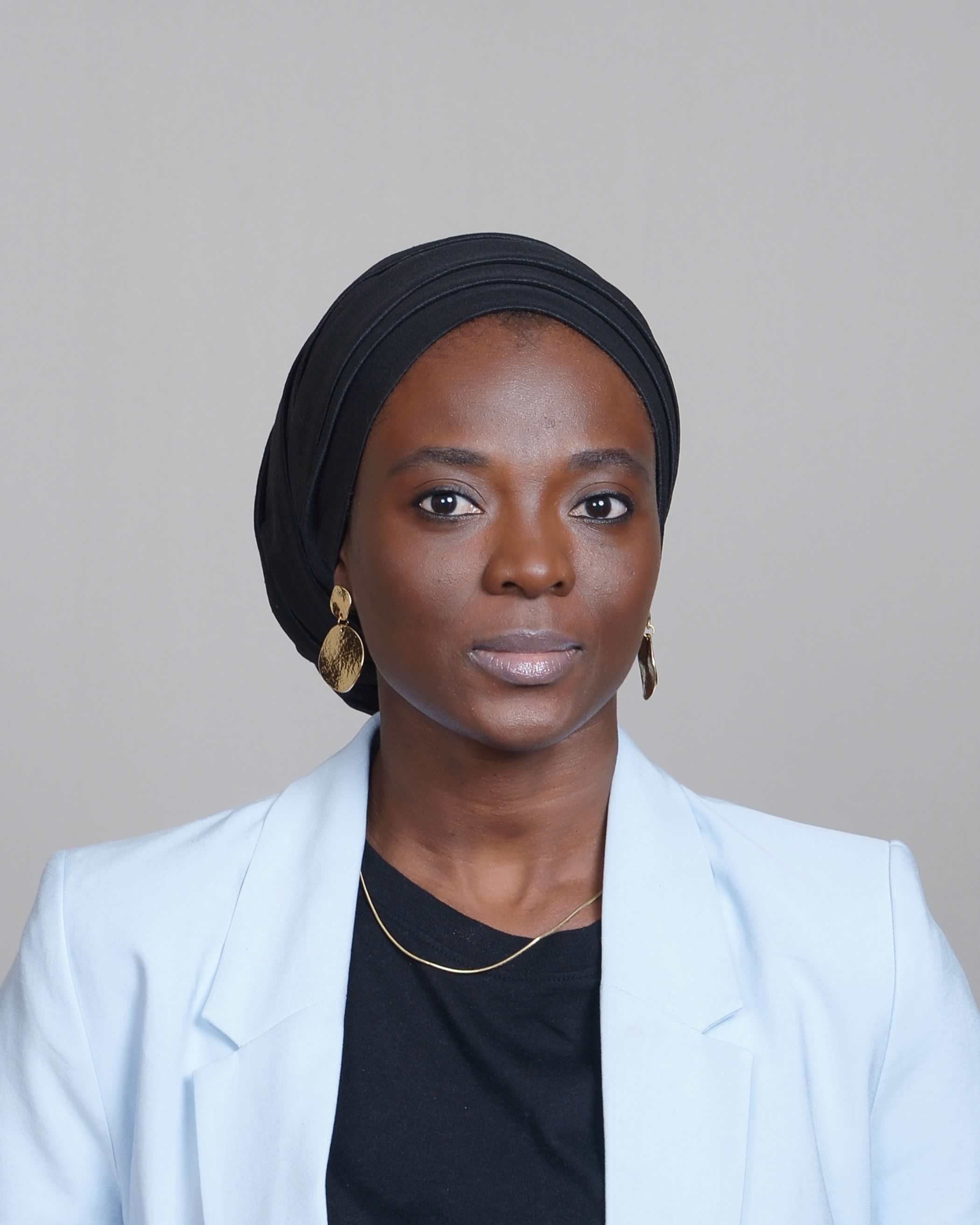
Dr Aishat Adeniji

Co-founder and CEO, HealthPort
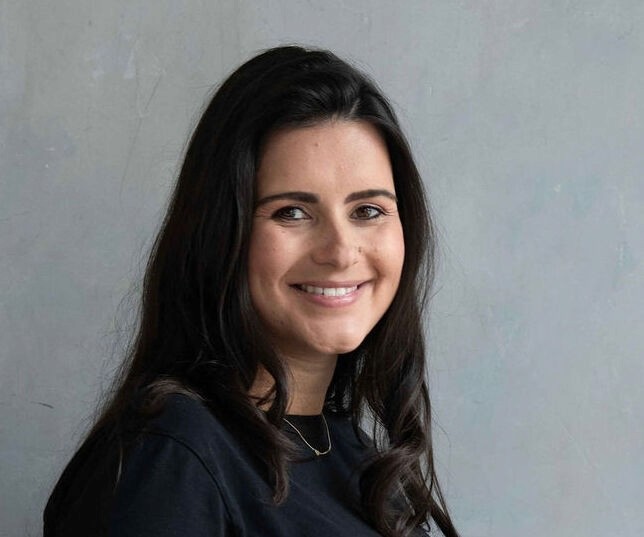
Céline Kamsteeg

Co-founder and Director of Growth, Lafiya
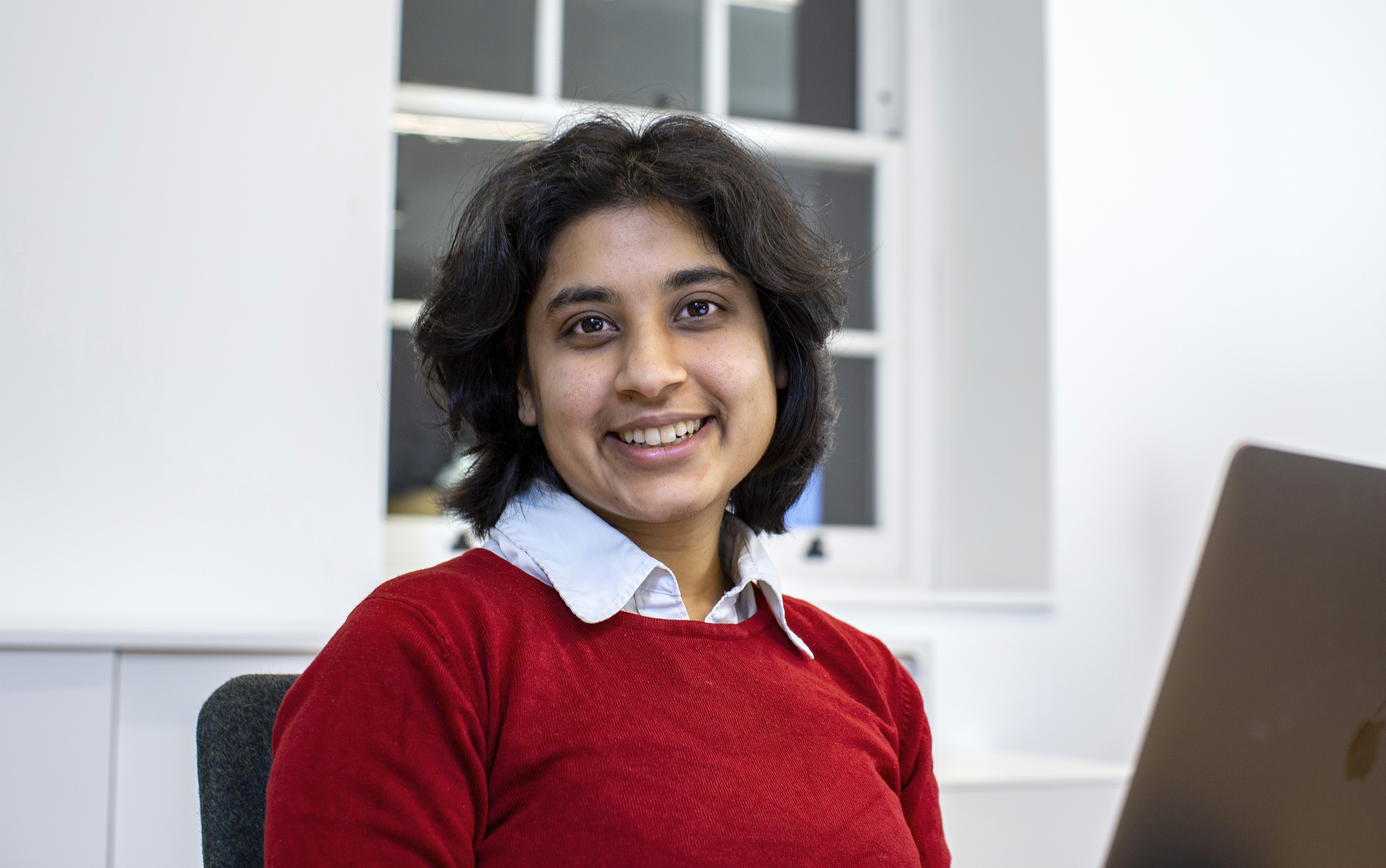
Habiba Banu

Co-founder and Director of Operations and Research, Spiro
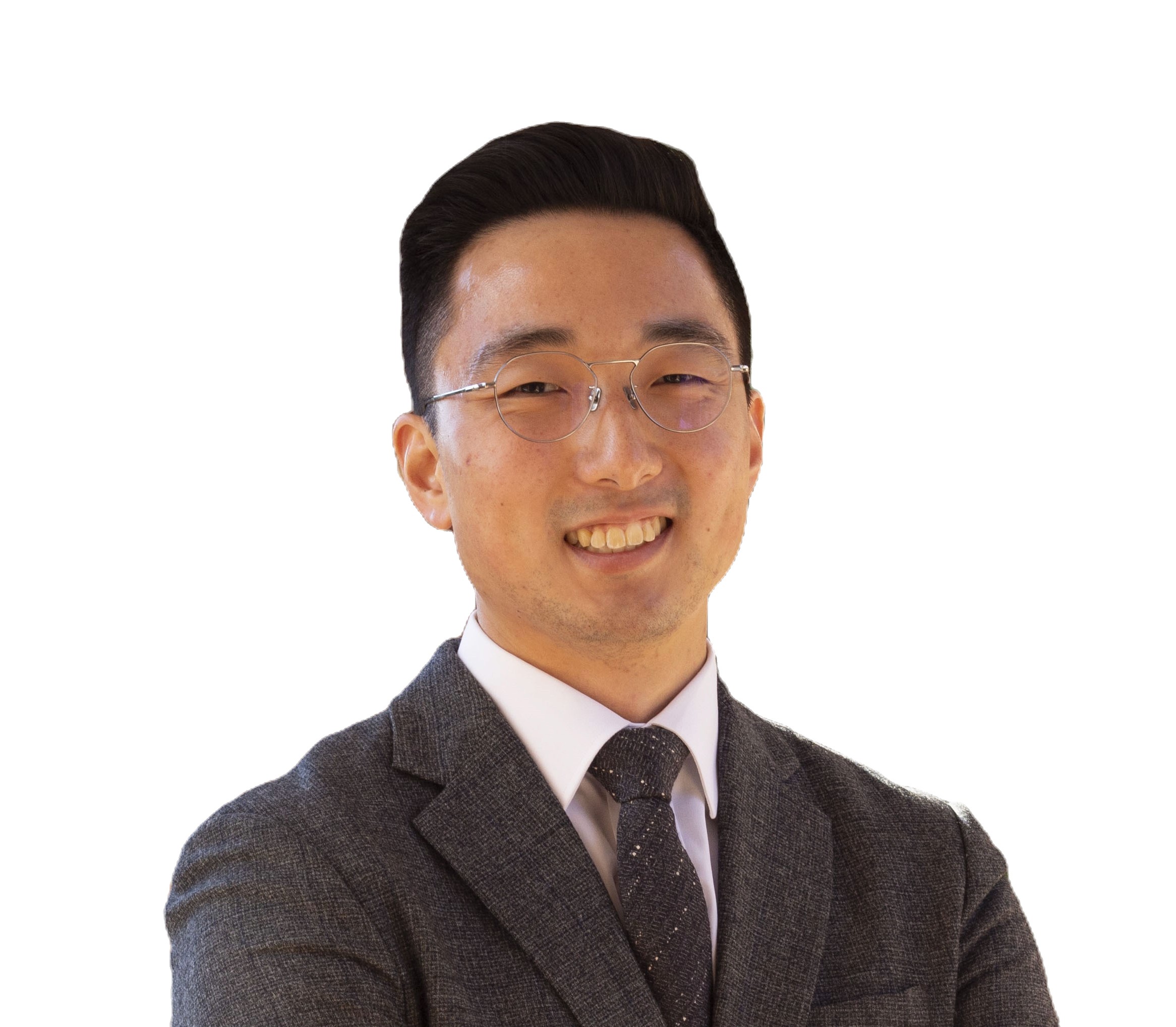
Dr Jun Young (Charlie) Jeong

Co-founder, Clear Solutions
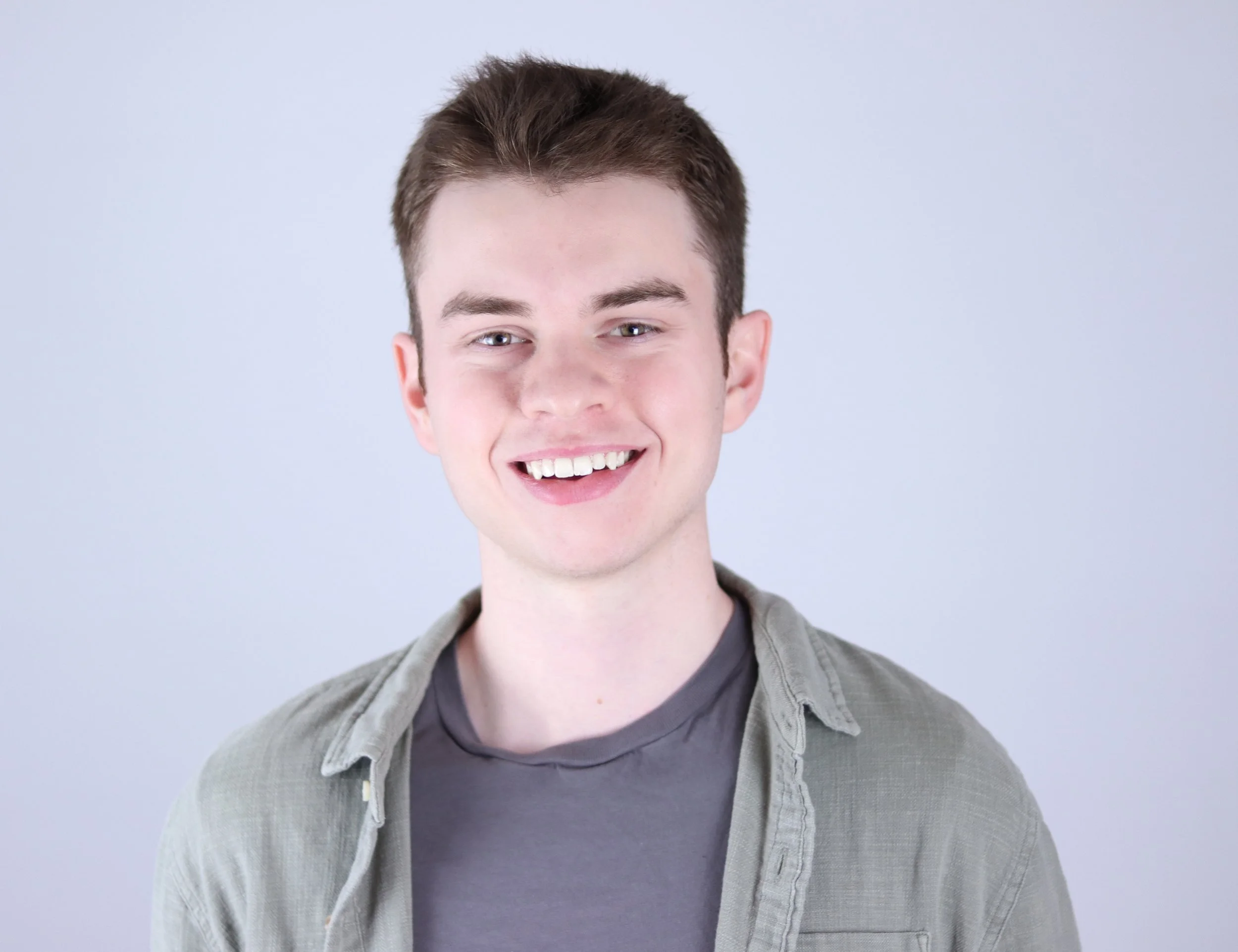
Justin Graham

Co-founder, Taimaka

Karl Keefer

Director of Technology, HealthLearn

Kenneth Scheffler

Co-founder, Family Empowerment Media
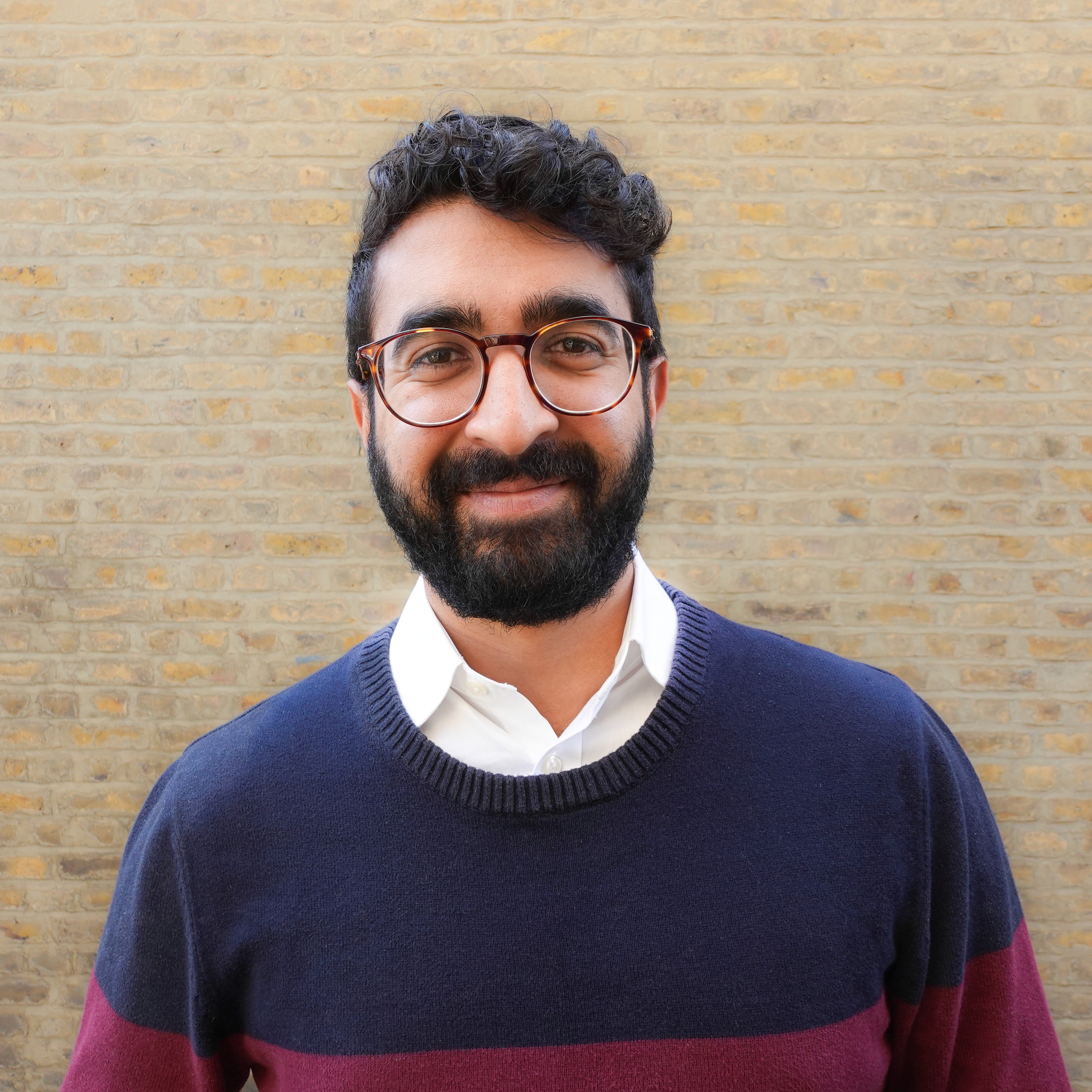
Dr Keyur Doolabh

Co-founder, Healthy Futures
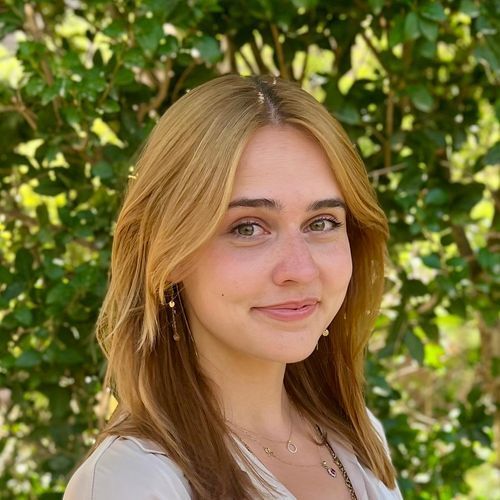
Klau Chmielowska

Co-founder and Co-Executive Director, Lafiya

Lia Boldt

Co-founder, Family Empowerment Media
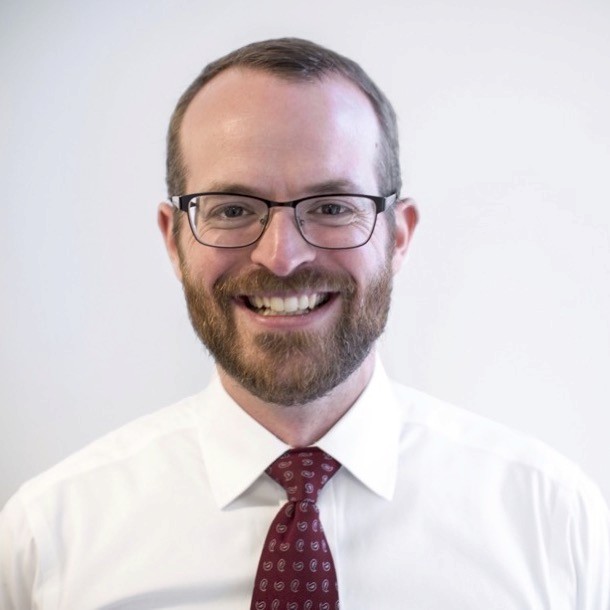
Marshall Thomas

Executive Director, HealthLearn
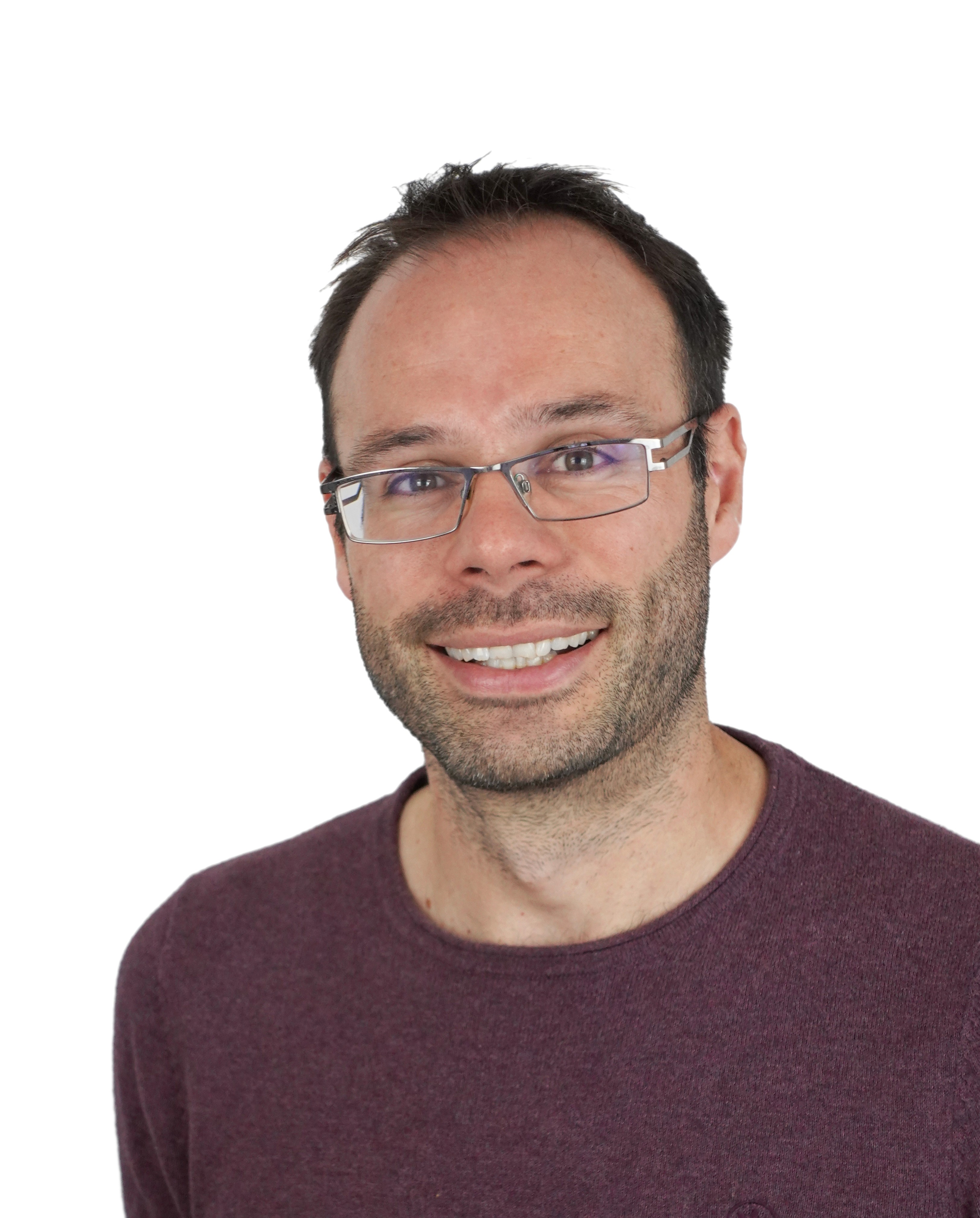
Martyn James

Co-founder, Clear Solutions
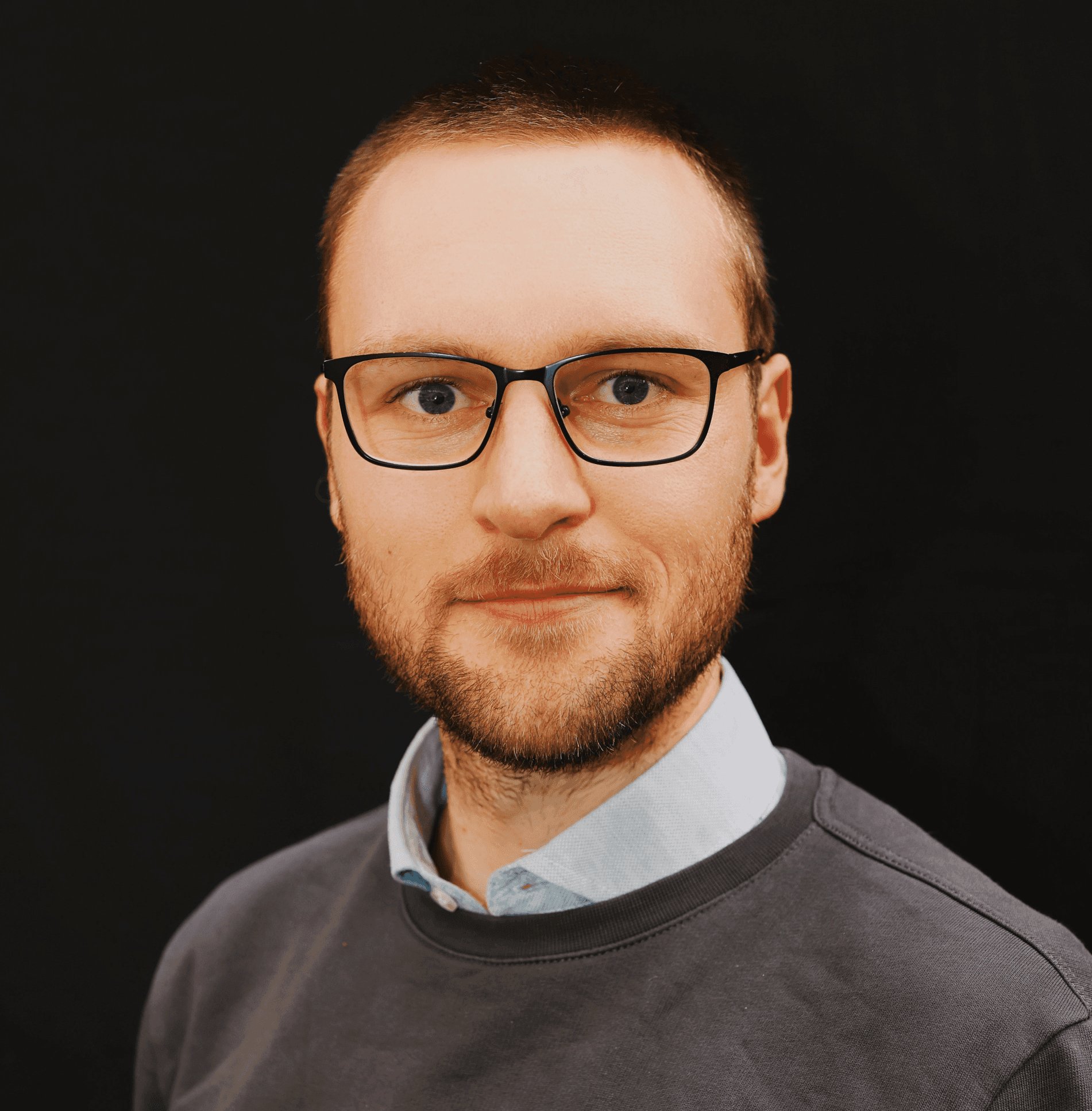
Nils Voelker

Co-founder, Healthy Futures

[ contribution ]

Contribute to the Fund

[ how we fund ]

Fund operations

The Mid-stage Global Health Fund operates on the leanest basis possible, allowing us to focus on adding value beyond our grantmaking. Donors benefit from pooling their funds, allowing them to support a wider range of projects than they could alone, and diversifying the risk of supporting early-stage projects.

“Support from the Ultra Philanthropy Mid-stage Global Health Fund has allowed our small team to focus more energy on improving our programme, building our operations, testing pathways to quickly scale up, and improving our monitoring and evaluation. Founders already have so much to do – it’s hugely catalytic to not worry about fundraising in the short term.”

Marshall Thomas, Co-founder, HealthLearn

We aim to fund a range of projects, to build a thriving pipeline of cost-effective programmes that are ready to scale. We also aim to offer transformative funding and support to organisations, helping them to focus on scaling and programme improvements.

Beyond funding, we work closely with grantees to help them scale. Our Co-Director, Liz Jarman, leads this support. Liz was CEO of Living Goods from 2018 to 2024, which she scaled to reach 7 million people. She works directly with grantee leaders on strategy, operations and the step up to larger funders. Grantees can also draw on our Investment Committee and on a pool of expert consultants, with the Fund paying part of the cost.

The Fund holds and disburses grants from a US DAF with Vanguard Charitable and a UK-US DAF with National Philanthropic Trust, two of the largest donor-advised fund providers, together holding more than $80bn. These accounts can receive contributions of cash, stocks and crypto tax-deductibly in the US and the UK. Tax-deductible options may be available in other jurisdictions on request.

Our fundraising strategy concentrates on major donors who want the convenience of a pooled fund and are sufficiently impact-focussed to prefer a thesis-driven fund to establishing a costly private foundation or philanthropy. The minimum contribution to the Fund is therefore US$100k/year (including any matching funds), and donors can contribute for 1-3 years at a time. Donors are subject to Know Your Customer checks via Vanguard Charitable and NPT, which will involve providing passport information. Donors may opt in to share their identities with other donors, partners or grantees.

The Fund is currently free, as we have raised an operating costs grant for 2026-2027. We may reintroduce fees in the future to sustain the sourcing, vetting, monitoring, reporting and ongoing technical support to grantees.

Funds are invested in Vanguard Charitable’s Income and money market funds in the US, and split between UBS MSCI ACWI and cash in the UK, owing to the short-term disbursement schedule. All proceeds are added to the Fund balance. The Vanguard Income fund comprises 80% bonds and 20% stock index funds.

[ Fundraising, grants and expenses ]

Fund financials

Donations & Grants Cashflow (USD)
DonationsGrants
$ 6.85m$ 2.96m$ 2.0m$ 4.0m$ 6.0m$ 8.0mFeb 2026March 2026April 2026May 2026June 2026July 2026August 2026September 2026
Actual

This graph shows actual disbursements. However, many grantees ask the Fund to hold grants for a period, to manage their cashflow and operations. As of 9/30/26, the Fund has agreed but not yet disbursed a further $565k in grants and operating costs. This leaves us with $3.1m to disburse, which we expect to do by 11/30/26, minus a cash buffer to maintain liquidity.

How much did we fund our grantees?

We aim to fund as much of our grantees' funding gaps as possible.

Level

% of funding gap covered

% of funding gap covered

% of grants made at this level

% of grants made at this level

Marginal

0-20%

0%

Moderate

20-40%

30%

Significant

40-60%

18%

Very significant

60-80%

0%

All or almost all

>80%

51%

18 grants

agreed, to 8 organisations

We have raised $6.85m to date, and agreed grants for $3.53m. We have so far signed grant agreements for 92% of funds within 3 months of receipt.

18 grants

agreed, to 8 organisations

We have raised $6.85m to date, and agreed grants for $3.53m. We have so far signed grant agreements for 92% of funds within 3 months of receipt.

Grants by cause area
Access to modern contraception18%
Oral rehydration salts + zinc (ORSZ) distribution17%
HIV + syphilis testing for pregnant women15%
Training app for facility-based health workers14%
Door-to-door malnutrition testing & treatment12%
Distributing ORSZ via Malaria Consortium in Chad8%
RCT of mass media campaigns to improve take-up of modern contraception.6%
Installing oxygen plants at large hospitals and renting oxygen canisters to smaller hospitals5%
Household-based screening and preventative care for TB3%
Grantee consultancy support & fund opex2%

[ Grant sourcing and vetting ]

Grant sourcing and vetting

The Fund adds value by identifying promising, lesser-known interventions, which are either unknown or out of scope for existing funders. It doesn’t accept funding requests, instead sourcing opportunities through the Fund Co-Directors’ extensive networks. This includes the Gates Foundation, GiveWell, Ambitious Impact, D-Prize, Founders Pledge, the DIV Fund, IDinsight, Innovations for Poverty Action and J-PAL. These organisations share their research with Ultra Philanthropy, alongside their insights on promising, underfunded cause areas. The Fund aims to have a strong comparative advantage in sourcing dealflow.

We evaluate opportunities using the following process:

1

We conduct evaluations

2

To produce a full grant investigation (request access here), which covers:

3

All evaluated projects are ranked

4

Projects ‘above the bar’ are rated for the Fund’s specific target market and comparative advantage

1

We conduct evaluations

a) Based on existing materials

  • RCTs or other effectiveness studies (e.g. here)

  • Intervention / cause area effectiveness analysis (e.g. here)

  • External cost-effectiveness analyses of the project (e.g. here)

  • Internal cost-effectiveness analyses of the project (from the organisations)

b) Where needed, we build our own models (e.g. here)

c) We conduct information gathering calls with the leadership team

We evaluate opportunities using the following process:

1

We conduct evaluations

a) Based on existing materials

  • RCTs or other effectiveness studies (e.g. here)

  • Intervention / cause area effectiveness analysis (e.g. here)

  • External cost-effectiveness analyses of the project (e.g. here)

  • Internal cost-effectiveness analyses of the project (from the organisations)

b) Where needed, we build our own models (request access here)

c) We conduct information gathering calls with the leadership team

2

To produce a full grant investigation (request access here), which covers:

3

All evaluated projects are ranked

4

Projects ‘above the bar’ are rated for the Fund’s specific target market and comparative advantage

To date, our pipeline is

61

Considered

54

Shallow evaluation

20

Full evaluation

8

Organisations supported

[ Investment Committee & Fund Co-Directors ]

Investment committee

The Investment Committee assists Jack and Liz, the Fund Co-Directors, to make funding decisions.

Jack Lewars

Jack Lewars

Jack Lewars

Liz Jarman

Liz Jarman

Liz Jarman

Charlie Petty

Charlie Petty

Charlie Petty

Sasha Gallant

Sasha Gallant

Sasha Gallant

Moshood O. Audu

Moshood O. Audu

Moshood O. Audu

Dr. Vevila Dornelles

Dr. Vevila Dornelles

Dr. Vevila Dornelles

Expert Consultants

Grantees can access technical assistance from our pool of expert consultants, with the grantee and the Fund splitting the cost.
Karen Levy

Fit for Purpose
Olivia Kaye

M&E Specialist
Shreya K Pereira

M&E Specialist
Joshua Becker

Negotiation Specialist
Kevin Rosenberg

Strategy & Implementation
Will Jefferson

Communication, Feedback & Culture